Belgrade in 2026: the most underrated chapter for post-USSR founders
The Serbian ICT economy roughly doubled in 24 months. ICT exports hit $4.31B in 2024 - up 20% year-over-year. Russian nationals registered ~9,000 new businesses in Serbia by end of 2023. About 5,000 Ukrainians have temporary protection status. The government followed the migration with capital - $56M committed in April 2025 to AI infrastructure including a $40M supercomputer with the Mistral generative-AI stack. Most relocator founders haven't heard the numbers because Belgrade doesn't rank in the top-10 SEO results for "best cities for founders."
That gap is the asset.
The Belgrade case for a post-USSR founder isn't "better infrastructure than Lisbon" - it isn't, and pretending otherwise would be dishonest. The case is trajectory density. If you're a Russian, Ukrainian, or Belarusian founder with traction but pre-funding, thirty minutes into your first meetup in Belgrade you've met five people walking your exact path: relocated 2022-2024, sole-proprietor on Serbian paušal, revenue from international clients, working out of one of three coworking clusters, debating whether to raise or stay capital-efficient. That density doesn't exist in Lisbon or Berlin. The diaspora founder networks there are spread across countries, languages, and stages. Belgrade concentrates them.
The practical setup. Serbian paušal is the flat-fee tax regime for IT freelancers - €150-300/month regardless of revenue, capped at RSD 6M/year (~€51K / ~$56K). Above the cap you switch to standard regime. Plus social contributions €100-150/month. Solo or micro-team only. Sufficient for the bootstrapped revenue founder; you outgrow it on the way to scale. (See the previous piece on local sole-proprietor regimes for the full comparison with Georgian and Armenian options.)
A central one-bedroom in Belgrade runs €521-700/month, comfortable family setups around $1,800-3,800/month total, public transport has been free since 2024, average internet speeds around 69 Mbps. Vračar and Savamala are the standard expat-founder neighbourhoods. Novi Sad is 25-30% cheaper if you don't need capital-city mass - viable if you're already remote-first.
The investor layer is real but small. Active VCs: TS Ventures (Serbia's first public-private VC initiative), ICT Hub Venture, Omorika Ventures (Western Balkans early-stage), South Central Ventures, Unique.vc, SEAF Serbia, Blue Sea Capital. Funding levels: seed €25-100K through angel networks (Serbian Business Angels Network), early-stage VC €100-500K, Series A €500K-2M. Founder Institute Serbia 2026 cohort is accepting applications. The investor density is real but doesn't replace London or Stockholm - if you're raising Series A+, Belgrade is your operating base, not your investor base.
What's worse than the alternatives. Serbia isn't in the EU. For founders trying to scale on EU rails - Stripe + SEPA, EU consumer contracts, EU GDPR-default vendors - that adds operational friction. Banking has tightened since the EU's 14th sanctions package, particularly for inbound wires from European counterparties through Serbian banks. If your target customer is EU enterprise B2B, you're going to spend disproportionate time explaining the entity structure. None of this is fatal, but it's real overhead that Lisbon or Berlin founders don't pay.
When Belgrade works and when it doesn't. Works when you're bootstrapped or pre-seed solo or micro-team with international client revenue, post-USSR background where the diaspora density actually helps you find lawyers, accountants, and cofounders, and you're not raising US VC in the next 18 months. Doesn't work when you need Schengen residency for unrestricted EU travel (Serbia is not Schengen), when your B2C product depends on Stripe + SEPA at scale, or when your fundraising plan requires a Delaware C-Corp domicile in the next year.
The window narrative. Yerevan in 2026 is at the early-2022-Tbilisi position. Belgrade is somewhere between Yerevan and current Tbilisi - past the rapid-density-build phase, not yet saturated. ICT exports growing 20% YoY suggest the cycle has another 18-24 months before density compresses to where individual founders stop being able to find each other in chats. The window isn't closing tomorrow, but it isn't five years out either.
UE Belgrade has been running monthly meetups since autumn 2022. If you're looking at the city, join the UE Belgrade Telegram chat or drop in on the next meetup. The cheapest signal is one evening in the room.
Disclosure: Unicorn Embassy operates a chapter in Belgrade - I have a direct interest in the city's founder traffic. The factual claims above are externally sourced. The trajectory-density argument is mine and reflects what I observe operationally; treat it as practitioner observation, not statistical proof.
About the author
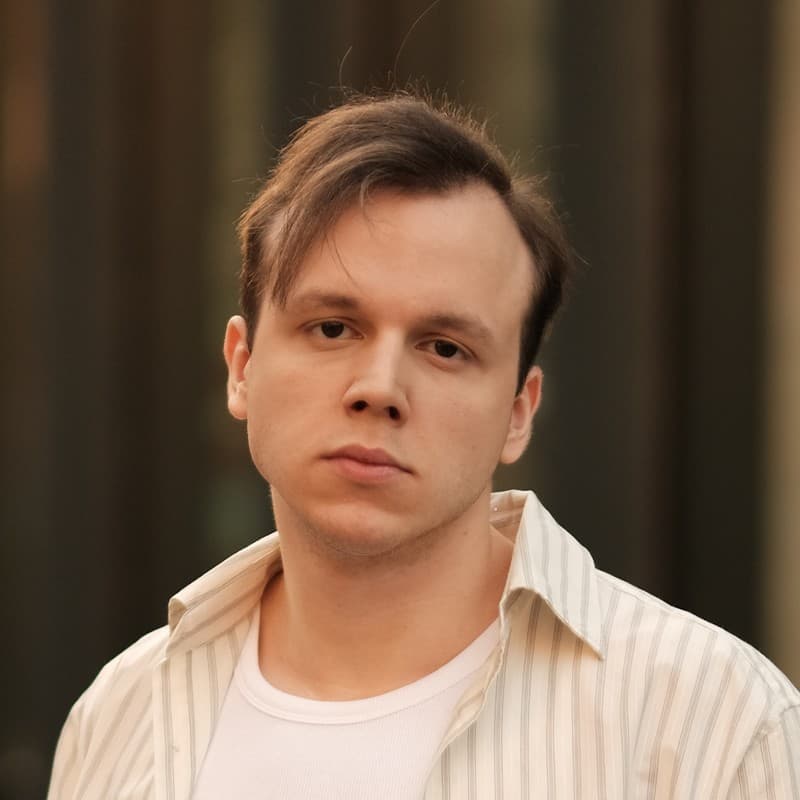
Yan Nerovny
Product Leader / Founder, Unicorn Embassy
Product leader with 9 years in tech (Tinkoff, EPAM, startup CPO) who built Unicorn Embassy into 200+ events across 7 countries, now looking for a Head of Product role in Europe.
Related articles
Startup events in Barcelona: there are two calendars here, and newcomers land on the wrong one
Barcelona runs about fifty startup events a month. Finding them is not the problem. Telling the two calendars apart is: the international one runs four days in March, the local one runs all year.
Startup events in Istanbul: where to go, and why the Bosphorus decides more than you think
The Istanbul scene is cut in two by geography and by language. What happens where, what picking the wrong side costs you, and the order that works.
Startup events in Tbilisi: where to go in your first month, in what order
The Tbilisi scene is scattered across Meetup, Eventbrite and half a dozen communities that do not talk to each other. A map by layer, and the order that works.
Join the community
Pick your city and join the chat. Free.