Don't search for 'top diaspora VCs' - learn to read the signals instead
A common founder fundraising mistake: spend two weeks scraping Crunchbase for the "top 20 pre-seed investors writing diaspora checks," send 50 cold emails, get three meetings and zero term sheets. The list was technically accurate. The methodology was wrong.
If you're here for a ready-made list of 20 VCs to email - this isn't that article, and the article you wanted ships stale. The list will be stale by Q3, and the next list will be too. What stays useful is knowing how to read the signals yourself.
Why investor lists fail. VC activity shifts quarterly. A fund that wrote three pre-seed checks in Q1 may pivot to growth-stage by Q3 because of LP pressure or a strategy reset. "Top 20 pre-seed investors" is dated within three months of publication. "Diaspora-friendly" isn't a Crunchbase filter and isn't on any fund's website - it's an emergent pattern visible in their portfolio composition and partner behaviour. The information you actually need lives in signals, not lists.
Signal one: recent announced rounds in your exact stage and category. Don't look at "top pre-seed funds in fintech." Look at "fintech companies that closed pre-seed rounds in the last 90 days, in geographies adjacent to yours, with similar founder profiles." Then look at who led - not who's on the cap table. Lead investors matter; participating investors are noise. Crunchbase recent-rounds filter plus manual review of round announcements gets you the list of funds currently active in your specific shape of deal. This list is different every quarter. That's the point.
Signal two: partner-level LinkedIn and Twitter activity. Funds don't write checks; partners do. Follow the partners - what they post about, what they engage with, who they tag. A partner who's posted three times this quarter about "post-USSR founders," sanctions complexity, or specific cities (Yerevan, Belgrade, Tbilisi) is signalling readiness in a way the fund's public materials never will. A partner who's quiet on diaspora context, or whose recent activity is exclusively US-domestic, is a low-hit-rate target regardless of the fund's general thesis.
Signal three: conference attendance. Partners speaking at Slush, Latitude59, EU-Startups Summit, Onstage Demo Day, or relevant vertical conferences are pre-qualifying themselves on the kinds of dealflow they want to see. A partner on a panel at Latitude59 is meaningfully more likely to take a meeting with a Baltic-cluster founder than a partner who never leaves Sand Hill Road. Conference programmes are public; trace partners three months before and after the event for the highest-signal window.
Signal four: portfolio composition. A fund with three or more founders from CIS-origin or post-USSR context already in their portfolio has internalised the diligence, the legal complexity, the banking workarounds. They've answered "can we invest in someone with a Russian passport residing in Lisbon" once, and they don't need to answer it again. A fund whose portfolio is uniformly US-or-EU-native founders may take meetings, but the institutional muscle for your edge cases isn't there yet.
Signal five: warm intros from existing portfolio. This is the highest-signal channel and the most underused. If a fund has a portfolio company in your space, the founder of that company has standing to make an intro that gets read. Cold inbound to a partner has a 1-3% response rate; portfolio-founder warm intro has a 30-60% response rate. The work isn't finding the partner - it's finding the portfolio founder you already share a connection with.
Where the signals actually live. Crunchbase (recent rounds plus portfolio search). LinkedIn Sales Navigator if you're serious - partner activity tracking is its strongest use case. PitchBook if you're paying for a real fundraising tool. Twitter or X - partner-level signal is most public there. Founder Telegram and Slack chats inside the diaspora network - warm intel that doesn't surface elsewhere, almost always more current than any database.
Outreach methodology. Never cold-email a partner without an intro context - it gets filtered. Lead with a single concrete traction signal in the subject line ("ARR $40K → $200K in 90 days, B2B SaaS in supply chain"). Attach a sub-30-second deck preview, not a 15-slide deck. Specific ask: "Open to 20 minutes next week to discuss [specific thesis match]?" - not "Want to chat?" Specificity is the gate that filters generic outreach from real signal.
Common mistakes I see repeating. Targeting funds that don't write at your stage - large funds rarely lead pre-seed and a partner won't recommend you to a different fund. Using activity data 18+ months old - strategies shift, the signal expired. Over-indexing on the "diaspora" label as a filter when what you actually need is sector or stage match - diaspora-readiness is necessary but not sufficient.
The skill of identifying-and-reaching VCs isn't separate from your fundraising skill. It is your fundraising skill. The methodology compounds across rounds; the list you scraped six months ago doesn't.
About the author
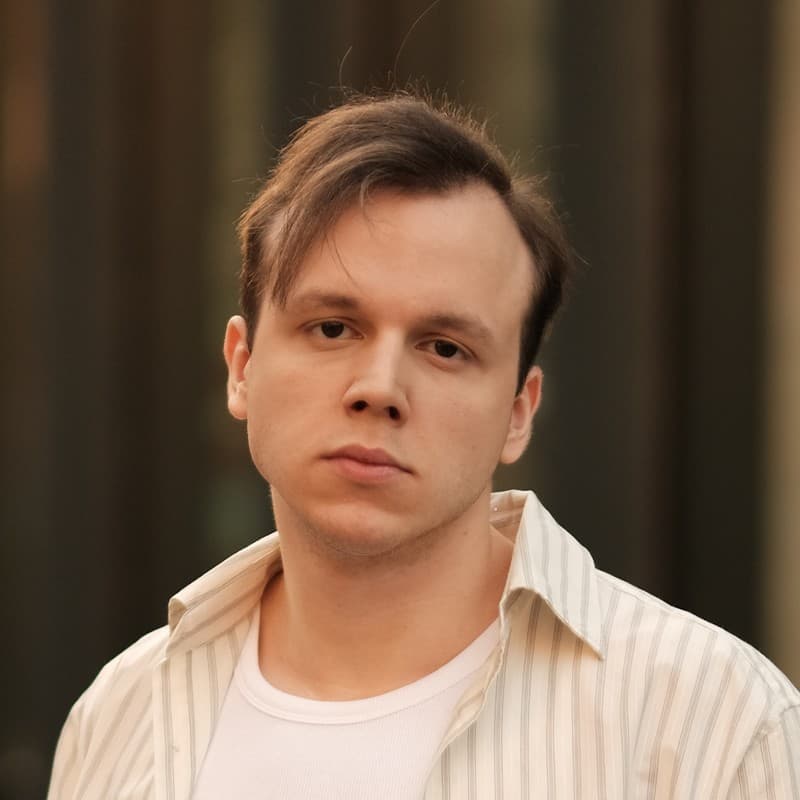
Yan Nerovny
Product Leader / Founder, Unicorn Embassy
Product leader with 9 years in tech (Tinkoff, EPAM, startup CPO) who built Unicorn Embassy into 200+ events across 7 countries, now looking for a Head of Product role in Europe.
Related articles
200+ events in 9 cities across 7 countries with zero ad spend: the playbook
The mechanics behind Unicorn Embassy across 9 cities in 7 countries with zero acquisition budget: six steps into a new city, the local-partner move, and what actually compounds.
Bali for founders 2026: nomad town with venture overlay, not Jakarta
Bali is a real working ecosystem, but not the kind most founders think they're moving to. It's a nomad town with venture overlay, not the Indonesian Jakarta. Pick the wrong frame and you waste six months building in the wrong place.
Barcelona vs Madrid for founders 2026: not 'more expensive' - different gateways
Barcelona isn't just a pricier Madrid. They're different gateways. Madrid is your Latin American expansion play. Barcelona is your global product, design, and event play. Confusing the two costs you access to the network you actually need.
Join the community
Pick your city and join the chat. Free.