Why most startup communities are trash (and what actually works)
I started running events for founders because the ones I was going to were bad. Since then Unicorn Embassy has put on more than 180 of them across nine cities in seven countries, and around six thousand people have walked through the door. That is a reasonable sample of what makes a room work, and a much larger sample of what kills one.
Most founder communities die quietly. The chat slows down, then stops. The monthly meetup becomes quarterly, then stops. Nobody announces it. Six months later the group still exists and nobody has opened it since spring.
The pattern repeats because building a community is easy to announce and brutal to sustain. Everyone wants one. Almost nobody wants the part where you do the same unglamorous thing every month for three years.
The five failure modes
Every dead community I have seen went one of five ways. Most managed several at once.
The spam channel
Someone creates a WhatsApp or Telegram group, adds 200 people, and calls it a community. Within a week it is a stream of self-promotion: check out my new app, looking for a technical cofounder, anyone know a good lawyer in Dubai. Nobody responds to anyone else's posts. Two hundred members, zero conversations.
The moderator, if there is one, occasionally posts a motivational quote or shares a TechCrunch link. Every member has notifications muted by day ten. The group exists in name only.
LinkedIn theatre
You have seen this event. Startup Networking Night at a rooftop bar. A panel of four people who work in innovation at large companies discussing the future of entrepreneurship. The audience is mostly people trying to sell services to startups, plus a minority of actual founders who came hoping to meet each other.
Afterwards there is networking, which means standing in clusters, exchanging cards nobody will follow up on, and asking what are you working on. The event produces excellent LinkedIn posts and no relationships. The organiser adds it to their portfolio of community building.
The dead alumni network
An accelerator runs a three-month programme. Demo day happens, everyone claps, the organisers create an alumni Slack and promise lifelong community. Six months later it is a ghost town where the only posts come from the accelerator promoting its next cohort.
The reason is structural. The accelerator is paid to recruit the next batch, not to serve the last one, so the alumni network is a marketing asset that nobody maintains. Whatever relationships formed during the programme survive on their own merits, and the community adds nothing to them.
The sales floor
Some communities exist as lead generation for their sponsors. Keynotes come from a cloud provider or a dev tools company. The Slack has channels dominated by vendor announcements. Meetups are held at corporate offices and open with twenty minutes of product demo.
Founders who show up once do not come back, because they wanted peers and got pitched. The organiser can live with that, because the community's real customers are the sponsors. The whole thing is a funnel wearing the costume of a gathering.
The blind leading the blind
The most frustrating category: founder communities run by people who have never founded anything. Career community managers, corporate innovation consultants, aspiring entrepreneurs who worked out that organising events is easier than building a product.
They usually mean well. They also cannot recognise the real problems in the room, because they have never had those problems. The advice they facilitate is generic, the introductions they make are shallow, and the events they run optimise for how the evening photographs.
Join Dubai chatWhat makes a real community work
The harder question is what the good ones do differently. In my experience it comes down to five structural decisions, and most organisers refuse to make any of them.
Say no to most people
The most counterintuitive principle in community building is to keep it small enough to matter. Five thousand people who do not know each other are a mailing list. A hundred and fifty who recognise each other by name are a network.
That requires selection, and selection is uncomfortable, because it means turning away people whose presence would make your numbers look better. You need a clear picture of who the community is for and the discipline to hold it.
At Unicorn Embassy we screen members on intent rather than on net worth or stage. Are you actually building something, and are you willing to help other people who are? Two no's and this is the wrong room. That sounds harsh until you attend once and notice that every person you talk to is worth talking to.
Show up regularly, in person
Online is a supplement. The foundation is repeated physical contact on a schedule people can plan around.
Frequency is doing something specific here. The first time you meet someone you exchange pleasantries. The third time you start describing an actual problem. By the fifth you will ask for help, offer an introduction, or say something honest that costs you a little. You cannot skip to the fifth meeting.
We run events in nine cities and the local leads hold a cadence regardless of whether a sponsor is paying that month. Reliability is what converts an attendee into a member.
Make real stakes flow through
There is a simple test for whether a community is worth anything: does real business happen inside it? Jobs filled, deals closed, investments made, partnerships formed.
Most communities fail this test and produce pleasant conversation instead. The good ones become infrastructure. A founder says they need a CTO who has shipped in fintech, and three people in the room have a name. An investor asks about a market segment, and someone who has operated in it for three years offers a call on Thursday.
This is downstream of the first two decisions. Real opportunities only enter a network when the right people are in it and they trust each other enough to hand something valuable over.
Build mutual obligation
In a functioning community people help each other because that is the norm, not because they are keeping a ledger. I will read your deck because someone read mine. I will make the introduction because someone made mine.
Most networking runs the other way, with everyone trying to extract. Here the expectation is that you contribute first. Members who only take get noticed quickly and drift out on their own, which is the immune system working as designed.
The strongest groups I have been in have an almost physical sense of reciprocity: people show up partly because they owe the room something. You cannot manufacture that with gamification or engagement tactics. It accumulates from small good interactions repeated over years.
Organizers with skin in the game
The people running a founder community should have built something. This is about recognition, not credentials. Someone who has raised a round, hired badly, lost a key customer and made payroll anyway will hear what a founder is actually saying under the sentence they said out loud.
Our city leads are founders and operators running their own businesses. They are building the community they wanted when they were starting out, which produces a different kind of event, because the organiser is also a user.
Join Tbilisi chatHow Unicorn Embassy is built around these principles
We did not arrive at these by reasoning. We tried the conventional approach first, watched the parts that did not work fall off, and kept what survived.
Free events
We do not sell tickets. Charging for entry filters for people with an event budget rather than people building something. The community is the product; the event is how you get into it.
Screened membership
We review who joins. It is more work than an open door, and it is the reason a conversation at one of our events starts from a decent baseline instead of twenty minutes with someone selling marketing services.
Nine cities, local leads
Yerevan, Tbilisi, Batumi, Istanbul, Valencia, Barcelona, Belgrade, Dubai, Bali. Each city has a lead who lives there, builds there, and knows who is worth introducing to whom. A remote community manager watching a dashboard cannot do that job.
Recurring events
Pitch sessions, roundtables, ordinary meetups. Often enough that faces become familiar, which is where trust compounds.
Real follow-up
After an event we make specific introductions based on conversations we watched happen: founder to investor, founder to a possible hire, founder to another founder with the missing half of the problem.
Around six thousand people have come through those rooms. Not as names in a Slack, but as people who put on a jacket and turned up somewhere with other founders. The difference between those two numbers is the whole subject of this piece.
The community you actually need
You do not need a big one. Five founders who understand what you are currently going through beat five thousand names in a Telegram group.
A good community should leave you slightly uncomfortable, because the bar in the room is above where you are. You should walk out thinking you need to work harder or rethink something, rather than that it was a nice evening. A group that only ever affirms you is not helping you.
Four signals to check. Do the organisers know members by name? Do the same faces come back month after month? Have funding, hires or partnerships actually happened through it? Is it clear who the group is for? If most answers are no, you are in a mailing list. Leave.
What "building community" actually costs
The word has been diluted into nothing. Everyone is building a community around their product, or launching one for founders in some sector. A Slack workspace with channels is a distribution channel. So is a newsletter with a Discord link at the bottom, and a monthly webinar series. Useful things, all of them, and none of them a community.
Community is what happens when people turn up repeatedly, help each other without keeping score, and start to feel they owe the group something. It takes physical presence, uncomfortable curation, and years of doing the unglamorous version. The reason most people quit is that there is no shortcut in that sentence, and running the thing is one of the most thankless jobs in the startup world.
The people who stay do it because they think the room itself is the point, rather than a funnel or a line in a portfolio. A group of people who are measurably better off because they found each other is a strange thing to build, and it is worth more than almost anything else you can put in a city.
If that is the room you have been looking for, come to one and see whether it holds up.
Join the community
Pick your city and join the chat. Free.
About the author
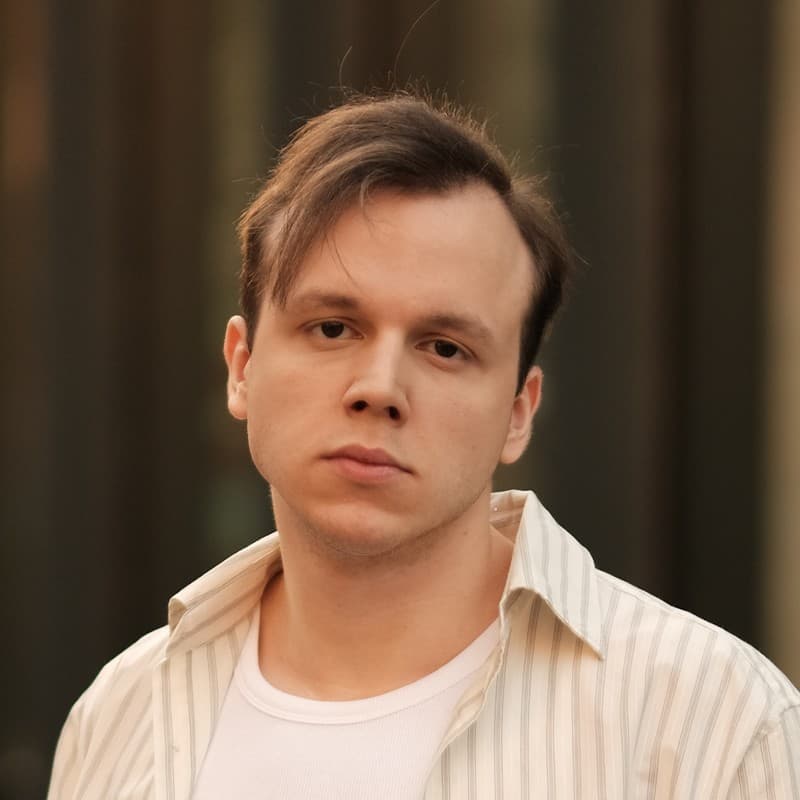
Yan Nerovny
Product Leader / Founder, Unicorn Embassy
Product leader with 9 years in tech (Tinkoff, EPAM, startup CPO) who built Unicorn Embassy into 180+ events across 7 countries, now looking for a Head of Product role in Europe.
Related articles
Startup events in Barcelona: there are two calendars here, and newcomers land on the wrong one
Barcelona runs about fifty startup events a month. Finding them is not the problem. Telling the two calendars apart is: the international one runs four days in March, the local one runs all year.
Startup events in Istanbul: where to go, and why the Bosphorus decides more than you think
The Istanbul scene is cut in two by geography and by language. What happens where, what picking the wrong side costs you, and the order that works.
Startup events in Tbilisi: where to go in your first month, in what order
The Tbilisi scene is scattered across Meetup, Eventbrite and half a dozen communities that do not talk to each other. A map by layer, and the order that works.
Join the community
Pick your city and join the chat. Free.